
When Pink Floyd laid down the tracks for Wish You Were Here back in September of 1975, they were penning a scorching indictment of a soulless music industry. They were writing about corporate suits with fat checkbooks who bought up raw, bleeding talent, packaged it for mass consumption, and didn’t know the first thing about the actual art. It was a cynical masterpiece about the commodification of the human spirit.
Fast forward half a century, and it is almost frightening how perfectly a 50-year-old British rock ballad has mutated into the unwritten, unofficial anthem of the 2026 college football arms race.
The recruiting pitch no longer happens simply on a peeling front porch in rural Georgia with a plate of pound cake and a glass of sweet tea. It happens in the leather-bound sanctity of a stadium luxury suite, high above the artificial turf, orchestrated by men who operate exactly like the 1970s record executives Floyd was skewering. The glass doors swing open for a 17-year-old kid with shoulders wide enough to block out the autumn sun, and the greeting from the collective's board of directors is always sung to that familiar, cynical tune.
Come in here, dear boy, have a cigar. You’re gonna go far.
This is the unvarnished soundtrack of the new era. They sit the prospect down, slide a Name, Image and Likeness disclosure across the mahogany, and sell him gridiron immortality. You're gonna fly, you're never gonna die. You're gonna make it if you try, they're gonna love you. It is a brilliant, intoxicating seduction bankrolled by men in bespoke blazers who view five-star tackles not as young men, but as appreciating assets. They lean across the table, flashing practiced smiles, offering the kind of hollow adulation once reserved for platinum-selling rock stars. Well, I've always had a deep respect, and I mean that most sincere. Your highlight tape is just fantastic, that is really what I think.
And then, the moment the kid steps out of the room to try on a pristine jersey for his photoshoot, the men who stroked the checks turn to the front office and ask the modern equivalent of the song's most famous, soul-crushing punchline: Oh, by the way, which one's pink?
They don’t need to know just his middle name or what his mother does for a living. They only need to know his composite rating and his wingspan. The going rate for a contending roster now sits north of $40 million, and the quiet parts are being shouted through a megaphone on quarterly earnings calls. And did we tell you the name of the game, boy? We call it riding the gravy train.
When you look at the apex of the sport right now—at Ohio State, at Miami, at Notre Dame—you are not looking at happy accidents of chemistry. You are looking at the ruthless, efficient application of capital. These programs are operating on budgets that dwarf the GDP of small island nations, and they are getting exactly what they paid for. They look at the transfer portal like a Wall Street terminal, telling their boosters, Everybody else is just green, have you seen the chart? They are not gambling; they are acquiring a fortress against attrition.
It would be cynical and entirely unfair to paint this new ecosystem as purely greedy or self-centered. These young men are finally securing their rightful share of a billion-dollar television pie, and they deserve every cent of their market value. The villain here isn't the player cashing the well-earned check. But the sheer volume of capital being hurled around by the sport's apex predators is driving the train. It creates a powerful, dangerous illusion: that the high rollers completely dictate the market, and that a program cannot even step onto the field in late autumn without an exorbitant payroll backing it up.
Because that $40 million payroll demands an immediate return on investment. We're just knocked out, we heard about the sell-out. You have to get the wins; you owe it to the people who funded the trust.
When the human element fractures the spreadsheet, the results are spectacularly grim. Down in Baton Rouge, LSU sits at 4-2, an intolerable embarrassment when the so callege tab comes to roughly $45 million. In College Station, Texas A&M has managed a 1-3 ledger in Southeastern Conference play despite floating an eight-figure payroll that would give an NFL general manager pause.
Sure, we all accept that you need money to sit at the big boy table in 2026, but as these extravagant portfolios implode on national television, it is becoming abundantly clear that all that glitters isn't guaranteed gold—and an eight-figure payroll certainly doesn't guarantee a natty. We point and laugh when these hedge funds stumble, because it validates our old-school romanticism to believe that grit and a fiery halftime speech can still topple a bank.
For 16 autumns, I watched the SEC from press boxes and bleachers, chronicling a league that always treated this sport as a regional arms race. For a decade and a half, the economy of the game was a ghost in the machine—whispered rumors of Dodge Chargers and mysterious handshakes. Two years ago, I packed up that SEC muscle memory and relocated to Houston. It was a jarring transition, swapping the gilded, billionaire-funded cathedrals of the Deep South for the concrete heat of the Third Ward.
But it is a change I haven’t minded a bit, because it serves as a daily reminder that there are still coaches in this sport building programs instead of just buying them.
I still laugh thinking about the first time I brought my boys to TDECU and life in the Big 12. They are 12 and 9 now, kids whose formative football memories were forged in SEC country, growing up in the shadow of the Vaught and the SEC. Before the Cougars ever burst out of the tunnel that day, they looked around and immediately sensed the shift. Even at their age, they could see the difference. TDECU lacked the intoxicating, limitless opulence of the SEC's financial apex. It was leaner. It felt like a workshop rather than a showroom.
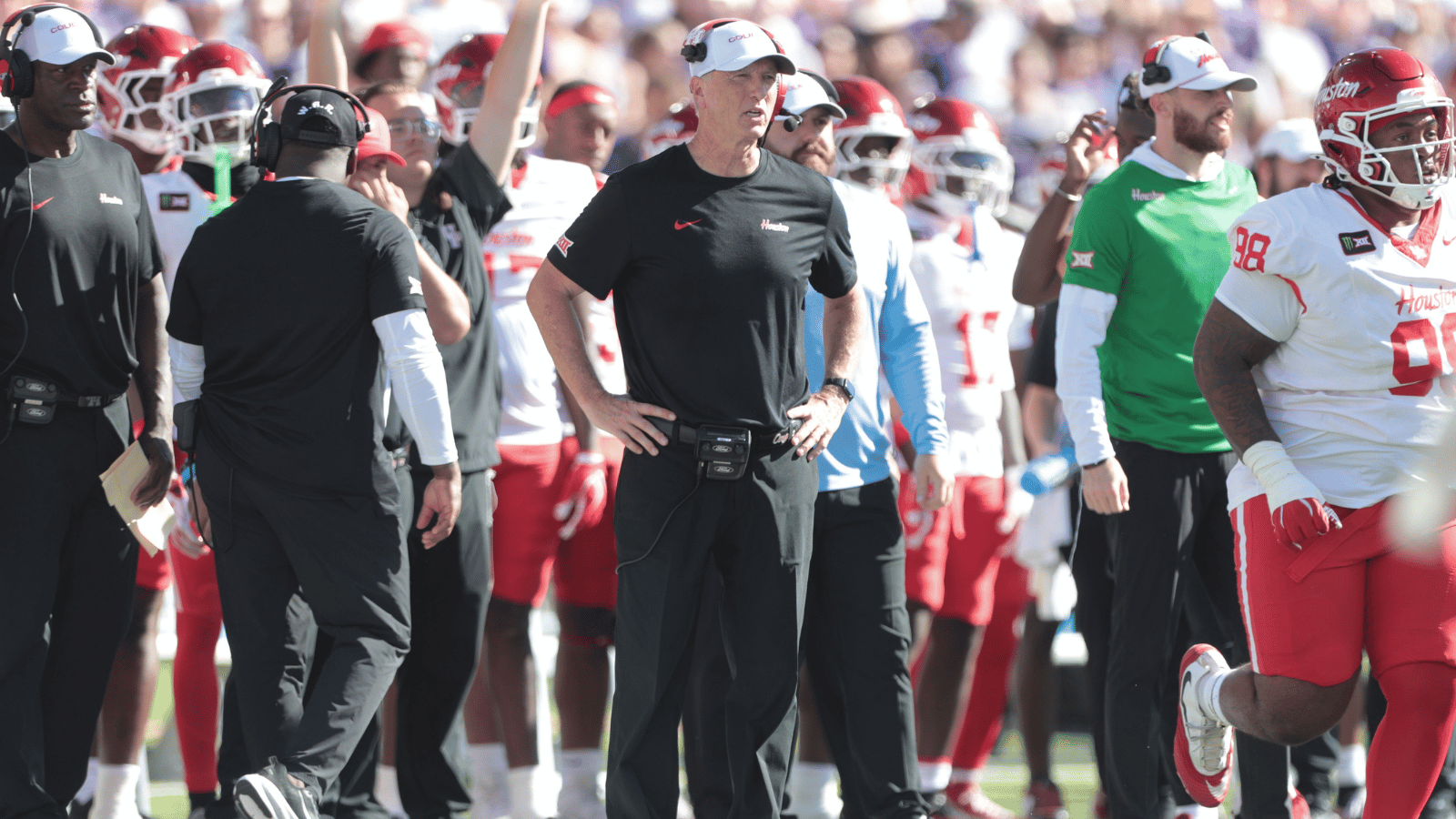
What the boys saw that afternoon, whether they fully understood it or not, was the gospel according to Willie Fritz.
In an era where athletic directors try to crowdsource locker-room culture through wire transfers, Fritz remains a stubborn purist. He does not construct a depth chart by sorting a spreadsheet of NIL valuations from highest to lowest. He operates as an evaluator of archaic virtues: fit, sweat equity, and the brutal, unglamorous metrics of how a kid actually translates between the white lines on a Saturday.
Yet do not mistake Fritz for a naive romantic clinging to a bygone era. He is a hardened realist. He knows better than anyone that while culture wins games in October, you still need capital to survive November. He understands that money is the necessary oxygen to make a program grow. On an austere $15 million budget, he has masterminded a blueprint that maximizes every single cent: finding a way to balance crucial player retention, shrewd portal shopping, landing five-star talent and blending in new, hungry additions without blowing up the balance sheet.
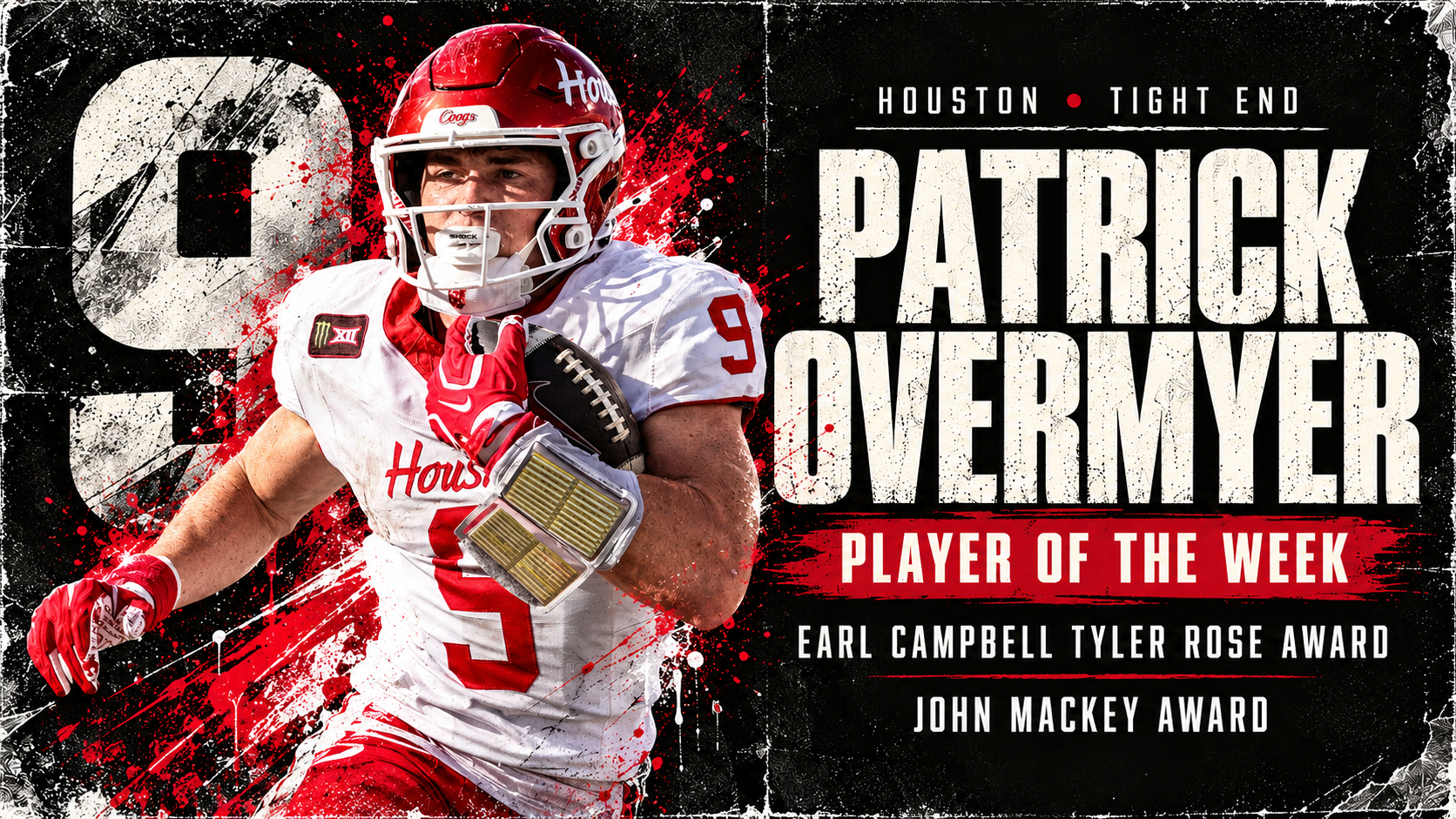
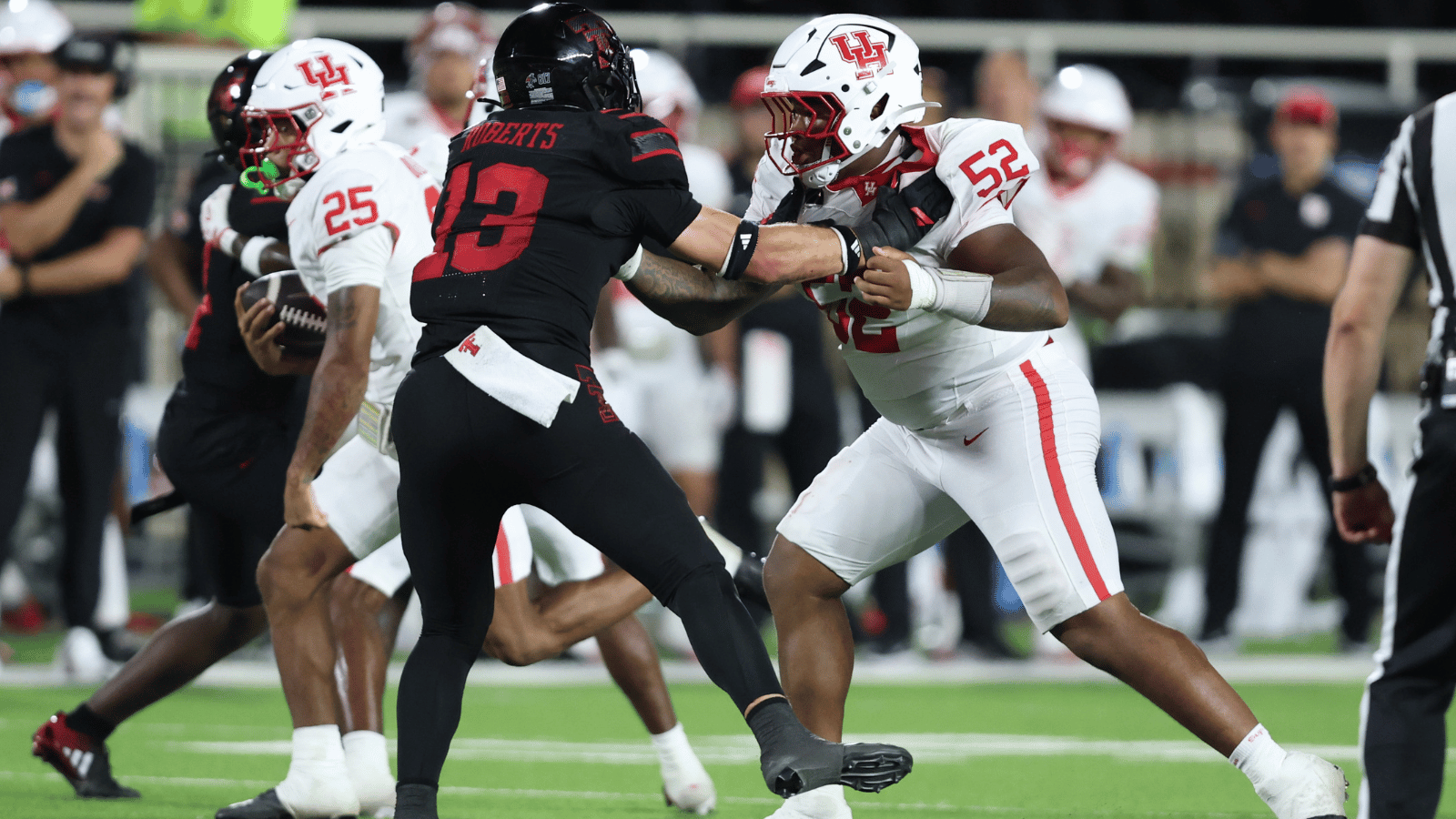
He isn't ignoring the checkbook; he is simply demanding a tangible return on his investment. And looking at the landscape at this midway point of the season, you could argue Houston has finally arrived at that delicate intersection of capital and culture. The Cougars sit at 5-1, their solitary wound an agonizing two-point drop at Texas Tech. They are staring down a very real path to the playoff, proving that a championship-caliber team is still something you have to painstakingly build—even if you have to spend a little cash to keep the foundation from cracking.
The super-powers will keep lighting their cigars in the luxury suites, looking down at the rosters they bought, whispering, It's a hell of a start, it could be made into a monster if we all pull together as a team. But down on the pavement in the Third Ward, Willie Fritz is busy shattering the illusion, proving that you don't need a monster payroll to build a monster of a football team.